 The First Step to Thinking Ahead
When is a child ready to start learning chess?
By Chess Mentor Academy
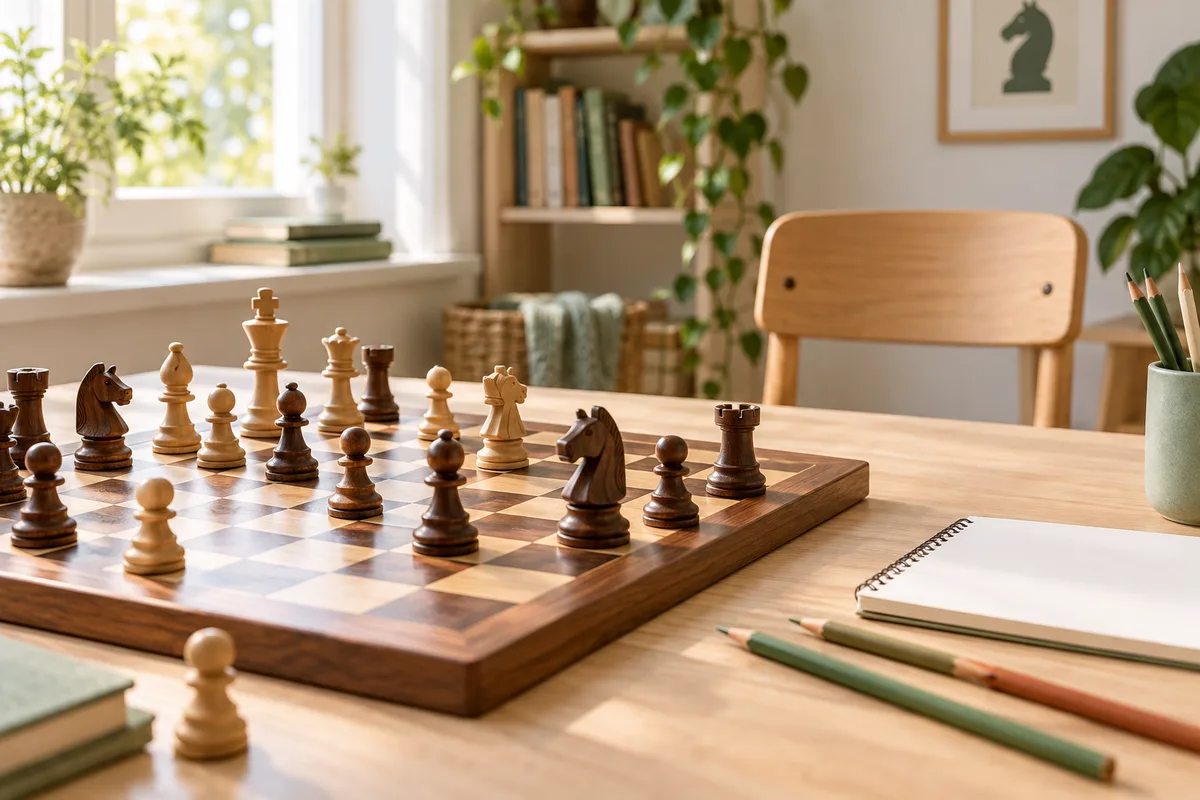
There is no single starting age that suits every child. Interest, attention and readiness to follow simple instructions can help a family choose how to introduce the game.
Start with curiosity
Let the child explore the pieces and board. Introduce one piece at a time and use short activities, such as finding legal knight moves. A whole game can wait until the basic rules feel manageable.
Watch how they respond to rules
Chess asks a player to take turns and accept that each piece moves differently. Notice whether your child can follow a small task without becoming frustrated. Shorter activities and repetition may help when a full lesson feels too demanding.
Choose a comfortable first session
Use a quiet space, a suitable device or physical board, and a session length that matches the child’s attention. Explain that the first session is for exploring and asking questions, not for proving ability.
Match the learning path to current understanding
A child who knows the rules may still need practice recognising threats. Another may enjoy finding patterns before they can remember notation. Tell the coach what your child can explain and what remains unfamiliar.
Let interest guide the next step
Ask whether the child enjoyed the activity and wants to try again. If attention fades, take a break rather than turning chess into a test. You can revisit the game later with a simpler activity or a different pace.