 The First Step to Thinking Ahead
How parents can support chess learning at home
By Chess Mentor Academy
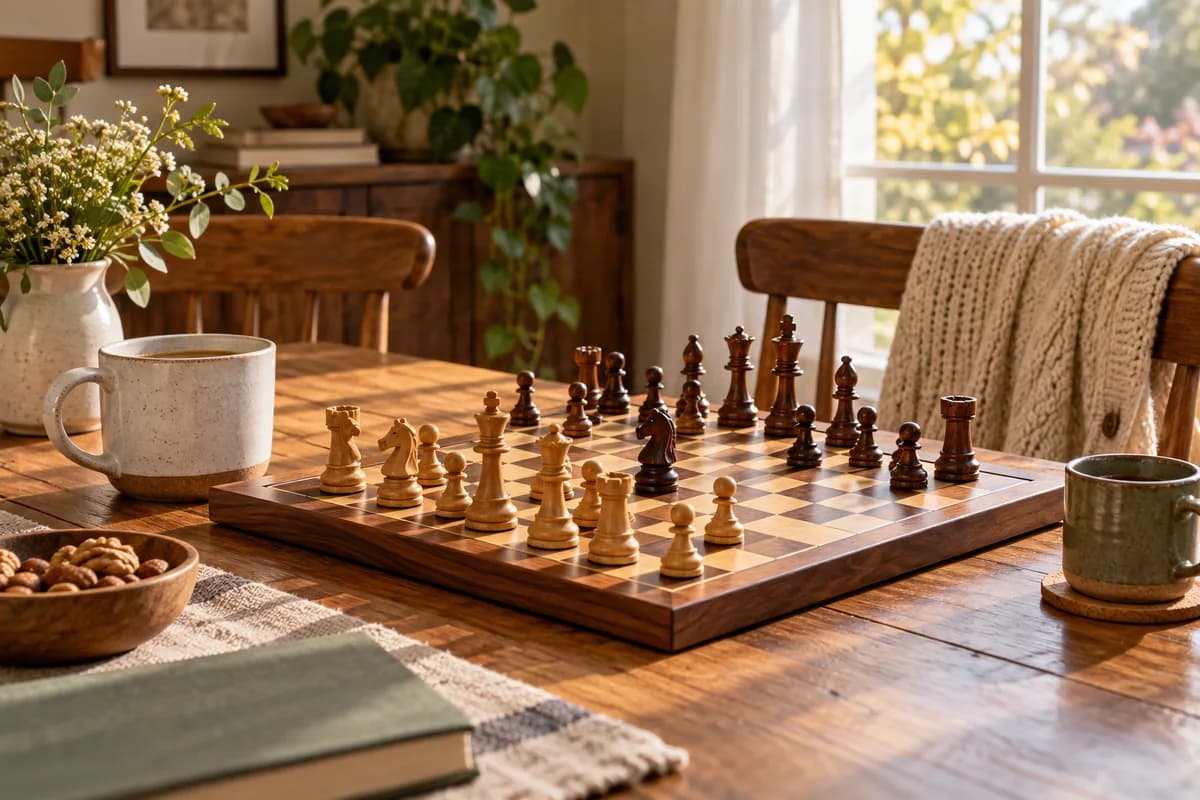
Parents do not need to know every opening to support a young chess player. A calm routine and interest in the child’s thinking can help practice become a habit rather than another source of pressure.
Make room for a short routine
Choose a regular time when your child can concentrate. Keep the session manageable and make the board or device easy to access. A brief session with a clear purpose can be easier to maintain than an ambitious schedule.
Ask about decisions
Instead of asking only whether they won, ask which position was interesting or which move took the most thought. Let your child explain before offering advice. Their explanation can reveal what needs attention in the next lesson.
Notice useful habits
Recognise careful checking, persistence with a difficult puzzle and willingness to review a mistake. Be specific about what you observed. General labels about talent are less helpful than feedback on something the child can repeat.
Keep competition in perspective
A result reflects one game or event. Give your child time to settle after a loss before discussing it. Avoid comparing scores with other children; progress is easier to assess against the player’s earlier decisions and habits.
Share observations with the coach
Mention when practice feels too difficult, when confidence changes or when a particular topic sparks interest. Coaching can respond better to concrete examples than to a demand for quick results. Ask for one realistic focus for practice between lessons.